

What an exciting time – watching your child graduate from college!
While your feelings may be of pride, your recent graduate may be struggling with financial anxiety.
The average student loan debt for the Class of 2026 is $29,560.
Your child may have more or less student loan debt depending on the college they attended.
Even if they secure a good-paying job, adulting might be the hardest transition they’ve had to make in life so far.
Their first paycheck as a graduate may be the most substantial amount of money they’ve ever received.
Help your adult child during this transition by talking about finances.
If you’re not comfortable discussing this topic, recommend a CFP® professional for them to meet.
As you talk with your recent graduate about money, encourage them to implement these five items.
1- Create and follow a spending plan
This action will set guidelines on how they spend their take-home pay.
They’ll become aware of their taxes and paycheck deductions.
They’ll learn to allocate money to pay off past spending, live in the present, and save for the future.
A spending plan will help them take proactive control of their finances.
2- Understand their student loan(s)
Federal loans have benefits such as fixed interest rates and income-driven repayment plans. There are also Forgiveness Programs for those who qualify.
It’s important to stress to your recent graduate that they should not consolidate Federal loans with private loans, or they risk losing the benefits of their Federal loan.
A CFP® professional or a Certified Student Loan Professional can help them navigate the complex nature of student loans.
3- Be aware of benefits offered by their employer
Employers may offer to match retirement savings contributions for every dollar the employee pays toward reducing their student loan debt.
Some employers may have access to complimentary financial advice.
Employer benefits exist to help employees, but employees need to take action, especially when there’s free money.
4- Set up automatic savings
Most employers can split a paycheck and deposit it into two accounts.
By automating a portion of their paycheck to be deposited into a savings account, your recent graduate will achieve their savings targets.
5- Pay the full balance of credit cards every month
By paying the full balance of each credit card every month, your recent graduate will stick to their spending plan.
They’ll think twice before charging their credit card for something that is beyond their budget.
If they currently carry a balance on their credit card, then encourage them to pay the full amount of any new charges while paying off the balance.
Help them calculate how much money they are wasting by carrying a balance.
With high college costs, more students graduate with student loan debt.
The amount of this debt can create financial anxiety as they struggle to figure out how to repay this debt and save for the future while living life.
Help your recent graduate fight financial anxiety by sharing these five suggestions with them.
(Update to original post from June 18, 2019)
ABOUT THE AUTHOR:
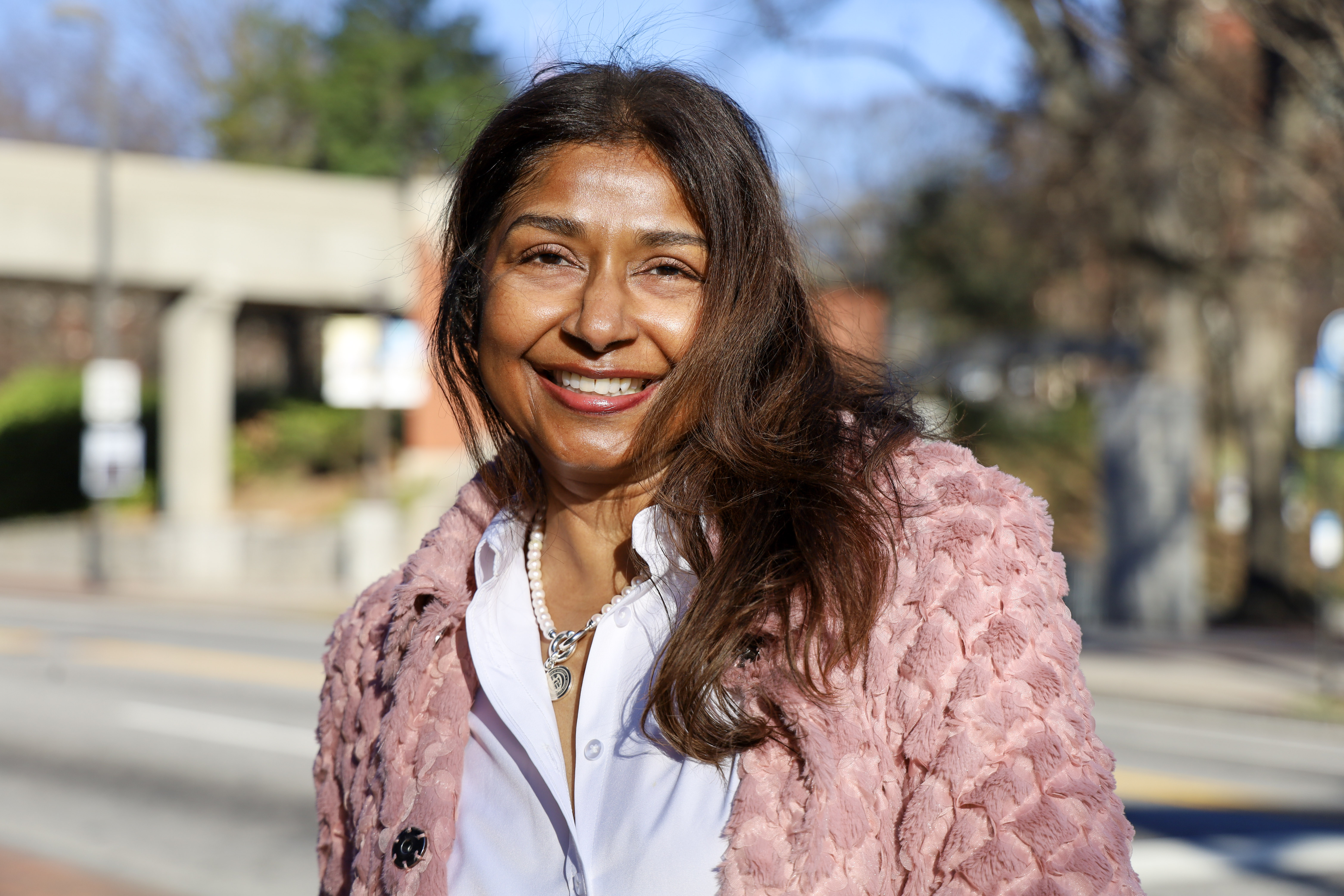
Niv Persaud, CFP®, is the Founder of Transition Planning & Guidance, LLC (TransitionPG®). She believes life is more than accumulating money – it’s about living the lifestyle you envision and can afford. Niv incorporates all aspects of life when discussing money. She developed the 5 P’s of Life (Personal Relationships, Personal Finance, Profession, Peace of Mind, and Physical Health) to help clients define what they want from life. Once she understands their vision, she helps them achieve their lifestyle or adjust their expectations based on their finances. Niv actively gives back to the community through her volunteer efforts. She believes in living life to the fullest by cherishing friendships, exploring the world, and laughing often—even at herself. Her favorite quote is by Erma Bombeck, “When I stand before God at the end of my life, I would hope that I would not have a single bit of talent left and could say ‘I used everything you gave me.’” Click HERE to read where she’s been quoted in the media.
LATEST POSTS: