

Key Takeaways
- Convincing your elderly loved one to move requires patience and understanding.
- Involve family and friends in discussions about your loved one’s need for assistance and safety.
- Offer transportation alternatives if you must take away their car to help maintain their independence.
- Tackle downsizing gradually to make the move less overwhelming.
- Consider assisted living facilities with trial periods to ease the transition for your elderly loved one.
Estimated reading time: 6 minutes
Convincing your elderly loved one to move to an assisted living facility can be challenging.
With this change, they feel they’re giving up their independence AND admitting they need help.
Be patient with this discussion.
If they’ve lived in the same home for a long time, moving can feel even harder.
Most assisted living facilities will be smaller than their current home. Figuring out what to do with all their stuff can be overwhelming.
So, how do you convince your elderly loved one to move?
The best way to start is to go slowly. Use small steps, and eventually, you’ll convince them to move.
Here are suggestions to get started.
If your elderly loved one is starting to show signs that they need help, ask nearby family members or friends to visit regularly.
Gather input from others about your elderly loved one’s physical and cognitive condition, especially if you are not nearby.
You may need to install webcams to monitor your elderly loved one’s activity to determine if they need additional help.
Most older adults fear losing independence and may downplay their limitations.
The key is to focus on their safety.
If you need to take away their car for safety reasons, offer other options that help them maintain their independence.
If they live near public transportation, encourage them to use it.
Help them look up the schedules for places they visit.
If they don’t live near public transportation, replace their car with a ride-sharing service like Uber or Lyft.
Show them how to use the app and stay safe when using the service.
Check their city and local senior centers for transportation options.
Presenting transportation options that help them maintain independence will make it easier to take away the car.
During visits, tackle downsizing one room or closet at a time.
Make three piles – one to keep, one to donate, and one to discard.
By tackling small areas over time, you’ll make the task less daunting when they actually need to move.
Consider in-home non-medical care if coordinating help from friends and family becomes too much.
In-home care averages $35 per hour, depending on where you live.
Most agencies require a set number of hours each day.
Depending on your elderly loved one’s temperament, you may need to try several in-home caregivers to find the “right” one.
One of my clients went through five caregivers before finding one her mother could tolerate.
Consider assisted living facilities that offer a short trial period.
If your elderly loved one is recovering from surgery, this option may work for them.
It gives them a chance to see firsthand how the facility operates without a major commitment.
Many assisted living facilities have amenities and social functions that keep residents active.
Convincing your elderly loved one to move to an assisted living facility is not an easy conversation.
If possible, begin the conversation while they are still healthy and active.
Most seniors need assisted living as they approach their 80s.
Also, start exploring options early so you’re prepared if you need to decide quickly.
(Update to original post from October 7, 2024)
ABOUT THE AUTHOR:
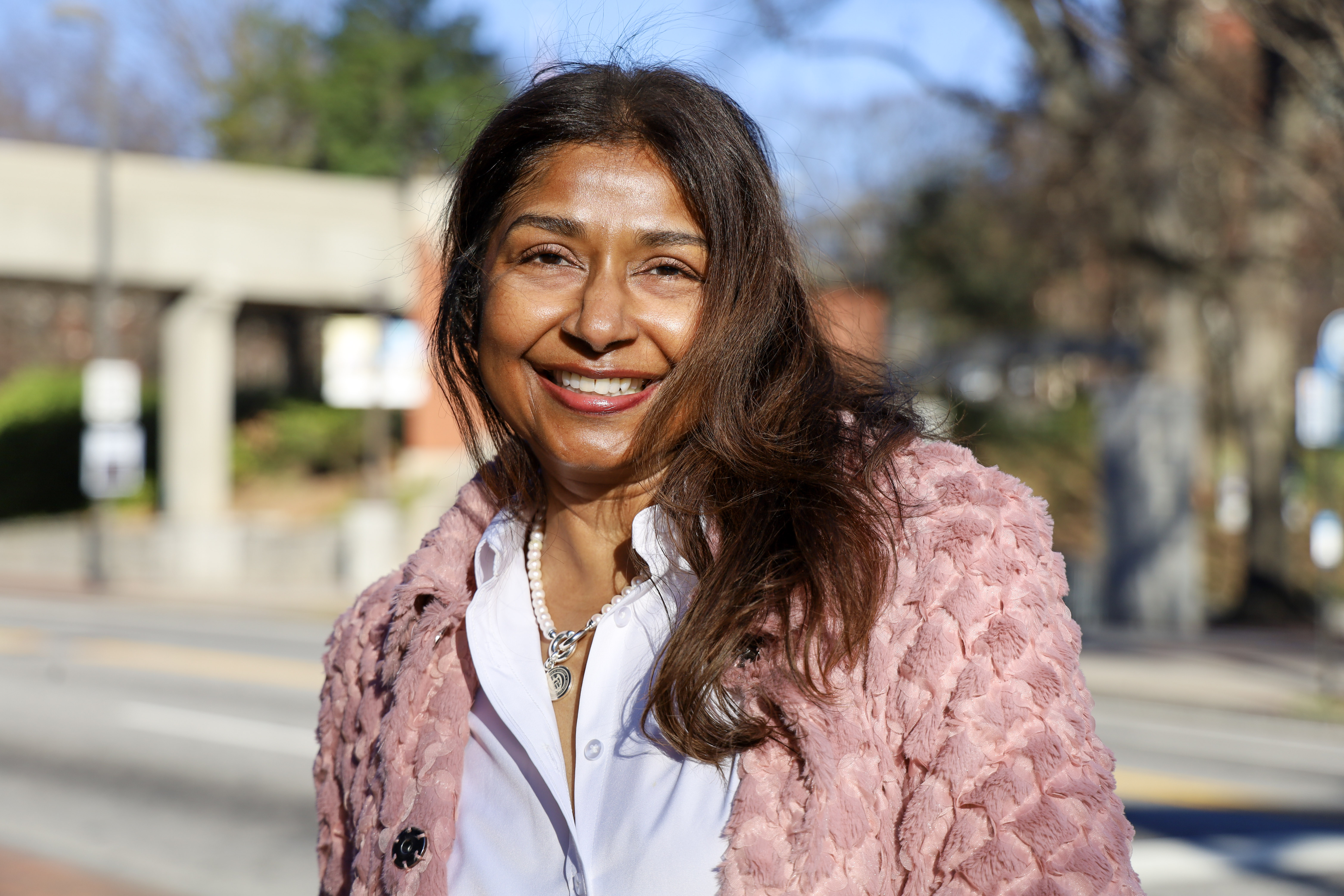
Niv Persaud, CFP®, is the Founder of Transition Planning & Guidance, LLC (TransitionPG®). She believes life is more than accumulating money – it’s about living the lifestyle you envision and can afford. Niv incorporates all aspects of life when discussing money. She developed the 5 P’s of Life (Personal Relationships, Personal Finance, Profession, Peace of Mind, and Physical Health) to help clients define what they want from life. Once she understands their vision, she helps them achieve their lifestyle or adjust their expectations based on their finances. Niv actively gives back to the community through her volunteer efforts. She believes in living life to the fullest by cherishing friendships, exploring the world, and laughing often—even at herself. Her favorite quote is by Erma Bombeck, “When I stand before God at the end of my life, I would hope that I would not have a single bit of talent left and could say ‘I used everything you gave me.’” Click HERE to read where she’s been quoted in the media.
LATEST POSTS: